

Adobe Lightroom review
Our Verdict
Subscribe to Adobe Lightroom if you want to access top-quality photo editing tools from your reckoner, tablet or phone.
For
- Excellent photo editing tools
- Full-resolution cloud backup
- Autotagging of generic keywords
- Smashing interactive tutorials
Against
- Can't rename a photo or edited version
- No side-by-side zoomable comparison of images in library
Tom's Guide Verdict
Subscribe to Adobe Lightroom if you want to admission top-quality photo editing tools from your computer, tablet or phone.
Pros
- +
Fantabulous photograph editing tools
- +
Full-resolution cloud backup
- +
Autotagging of generic keywords
- +
Great interactive tutorials
Cons
- -
Tin can't rename a photo or edited version
- -
No side-by-side zoomable comparing of images in library
When you need a uncomplicated and effective way to process, touch on up, and itemize dozens or hundreds of photos, Adobe Lightroom is some of the best photo editing software effectually. A high-powered but insufficiently easy-to-larn photo production and editing tool, pro and serious photographers use Lightroom the way traditional pic photographers used darkrooms.
Better yet, Lightroom automatically saves your pictures to the cloud, and lets you edit them using the same or like Lightroom interface, whether yous're using your phone, a tablet, or a computer.
Every bit yous'll encounter in our Adobe Lightroom review, those who take a lot of photos and need to edit them anywhere, Lightroom is well worth the $9.99 monthly subscription. And recent updates make information technology even more creative and usable.
- More: Corel PaintShop Pro 2020 Review
Adobe Lightroom: Pricing
Lightroom is available only on a subscription basis. For $9.99/calendar month, y'all get Lightroom on desktop and mobile, Adobe Spark (for creating social graphics, videos and web pages), Adobe Portfolio (a website builder) and 1TB of cloud storage (about 20,000 RAW DSLR images or 200,000 JPEGs).
Or, you tin purchase the Photography Plan, which includes Lightroom on desktop and mobile, Lightroom Classic, Photoshop on desktop and iPad, Spark and Portfolio. For $9.99/month, the plan includes 20GB of storage (near four,000 JPEGs), or for $19.99/calendar month, 1TB of storage.
Adobe Lightroom: Minimum organization requirements
PCs: Windows 10 (64-bit), two-GHz processor, 4GB of RAM (8 GB recommended), 2GB hard disk space
Macs: MacOS v.ten.13, 4GB of RAM (8GB recommended), 2GB of available hard-deejay space.
Android: Android 5.10 (Lollipop), ane.5GHz Quad Core CPU, ane GB RAM, (4 GB or more recommended), 8GB hard disk infinite
iOS: Whatsoever iPhone or iPad that runs iOS 12.three or after. This includes: iPhone 5S (2013) and afterward, iPad Mini ii (2013) and later, iPad Air 1 (2013) and afterwards, and iPod Touch 6th Generation (2015).
Adobe Lightroom vs. Lightroom Archetype vs. Photoshop
Adobe has created considerable confusion regarding the name Lightroom. The original Lightroom, a loftier-powered desktop application long popular with professional photographers and enthusiasts, is chosen Lightroom Archetype. The newer, cloud-based production is referred to as Lightroom. Both are currently available (for the same price: $9.99/calendar month), and Adobe has confirmed that information technology plans to support and improve both. (This review focuses on Lightroom rather than Classic.)
Nevertheless, y'all won't find the aforementioned features on Lightroom and Classic. I especially missed the speed at which I tin can rate and sort a big number of photos quickly, enabled by Classic's side-by-side view. Lightroom's sorting view (the Square Filigree) allowed me to quickly click on star ratings for each image. Even so, though I could switch to large zoomable views of individual pictures, I couldn't compare the fine details of two pictures in a side past side zoomable view as I can in Lightroom Archetype. When I asked Adobe near that, they said that capability isn't "all the same in Lightroom."
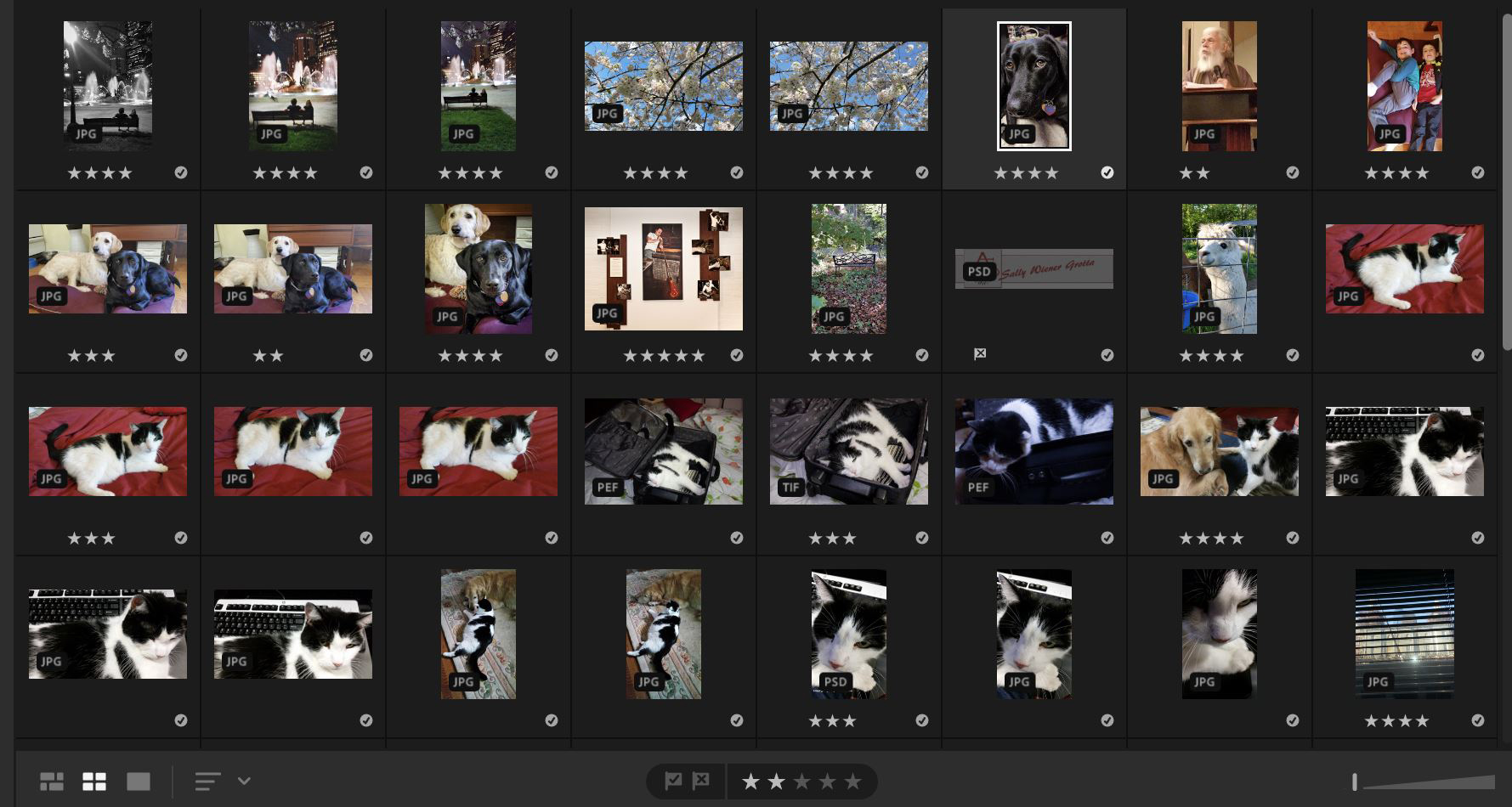
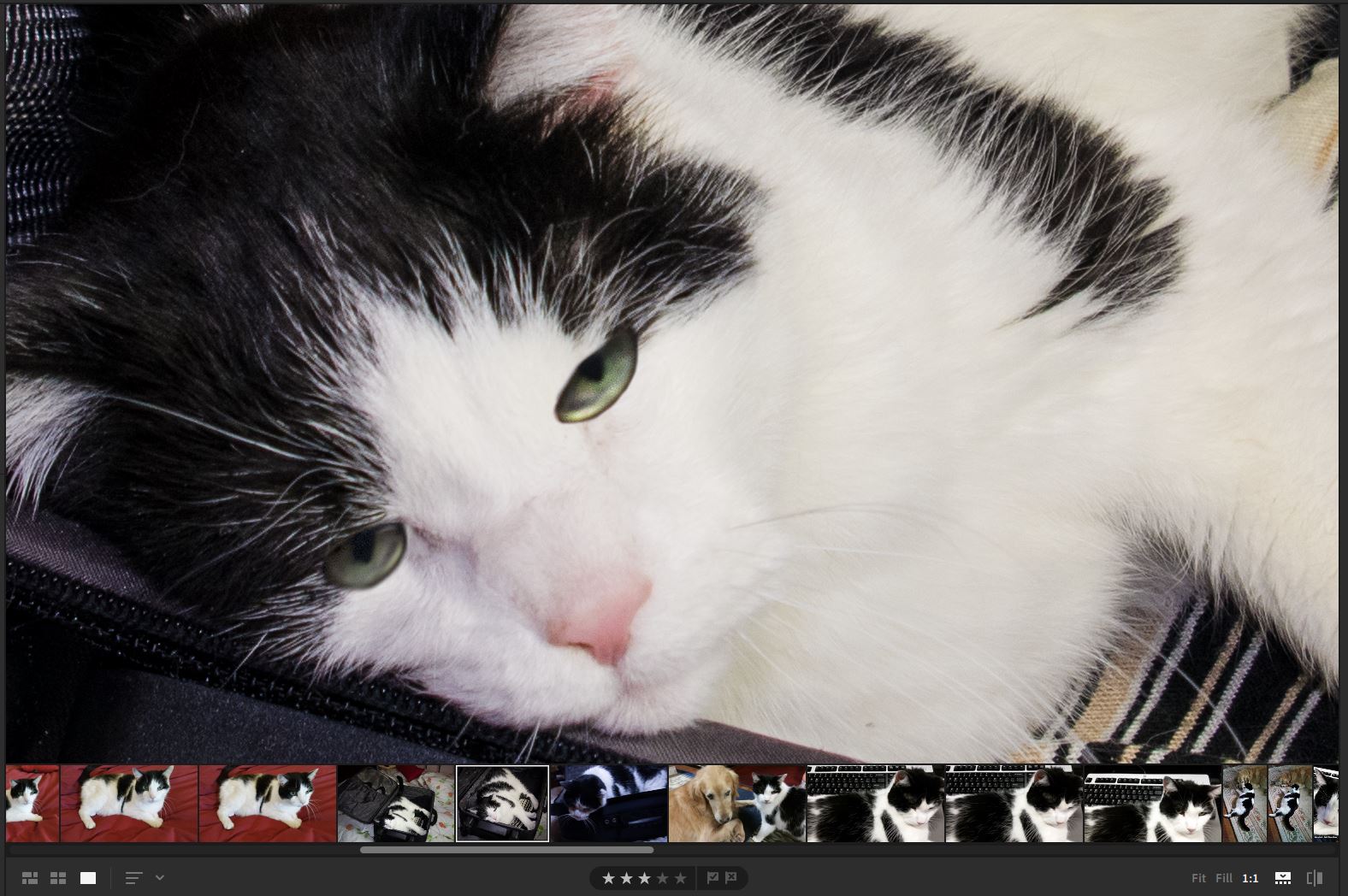
The other Adobe muddle is whether to choose Lightroom or 1 of the Photoshop products for your photo editing. Mostly speaking, Lightroom is best for quick processing of batches of pictures, while Photoshop is for working on individual images and doing more creative work. For instance, similar most of my fellow pro photographers, I employ Lightroom to swiftly rate and select photos, catechumen RAW images, right or edit exposure and color, and handle other like photographic or composition issues. I then take individually selected images from Lightroom into Photoshop where I do artistic editing, compositing and designing, too as preparing my images for printing and using in documents or on the web.
For a more comprehensive comparison of all of Adobe's photo-editing programs, please come across our guide to Which Adobe photograph editing software is right for me?
Adobe Lightroom: What's new
As with all Adobe Creative Cloud software, Lightroom is updated on a regular footing – at least three times a twelvemonth.
One recent addition to the Edit module that's going to get a big workout is the Local Hue tool. Local Hue is an expansion of the local adjustment brushes, which allows y'all to essentially paint on select areas of your picture with edits (such as exposure or dissimilarity or colour). In other words, if a confront is likewise dark, but the rest of the picture is perfectly exposed, you lot can use a local adjustment brush to select areas of the face that you want to brighten. Then, when you adjust the exposure slider, the edit is applied only to the face. Now you tin change the hue of selected areas of the pic in the aforementioned style.

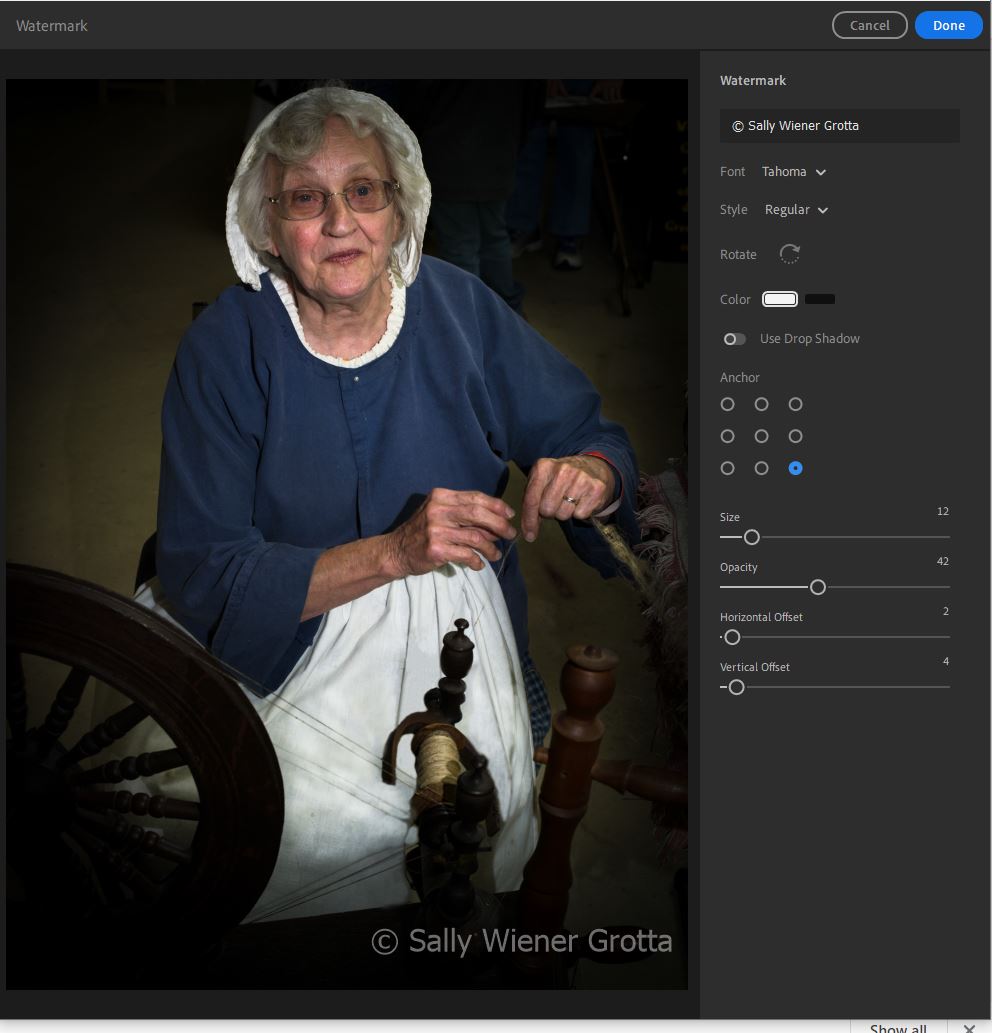
Another new tool belongs in the "why didn't nosotros take this earlier?" category. When you lot export your images, y'all tin have your personal watermark automatically applied, while still maintaining full command over its look (font, size, colour, opacity) and placement.
Other noteworthy additions include the ability to save and compare different versions of your edited image, and existence able to customize default settings for your import of RAW images.
Adobe Lightroom: Interface
Lightroom's streamlined interface makes sense in one case you sympathize it. Regardless of whether you're on a desktop or mobile device, icons tend to be small. And those for pages or views other than the currently selected one are dark grey against darker charcoal grey, which doesn't make for great legibility.
The interface is divided into four sections: Home, My Photos, Learn and Observe. Double-click an prototype in My Photos to open it in the Edit module.
The vast majority of edits that yous will do are controlled with powerful yet easy to apply sliders. These include adjusting a picture's exposure, color, focus, optics, geometry and to add effects.
Lightroom besides has tools for editing precise sections of your photo. This includes Adobe'south great healing brush for painting out imperfections or unwanted objects (such as electric wires) in your picture. Similarly, it includes Linear Gradient and Spot Gradient masks for limiting your edits to specific areas of your picture, such equally making the sky bluer while non changing the color of the residual of your film.
Adobe Lightroom: Device support and file management
The biggest difference between Lightroom and Lightroom Classic is that with the former, all your photos are saved in the cloud, while Classic saves only to your local system.
In other words, Lightroom gives y'all admission to the same full-resolution files – of both your originals and edited versions – wherever you are and regardless of what device you are using: your desktop, laptop, tablet or phone (information technology's compatible with Mac, PC, Android and iOS devices).
What's more, as yous work on them, images are automatically saved to your cloud account and securely backed up. You can also selectively download files to your local hard drive (using an Export command), then you can work on them even if yous're offline. Nonetheless, you can't rename a photo when you save it, which is a major inconvenience for those of us who utilize filenames descriptively to help in apace identifying images.
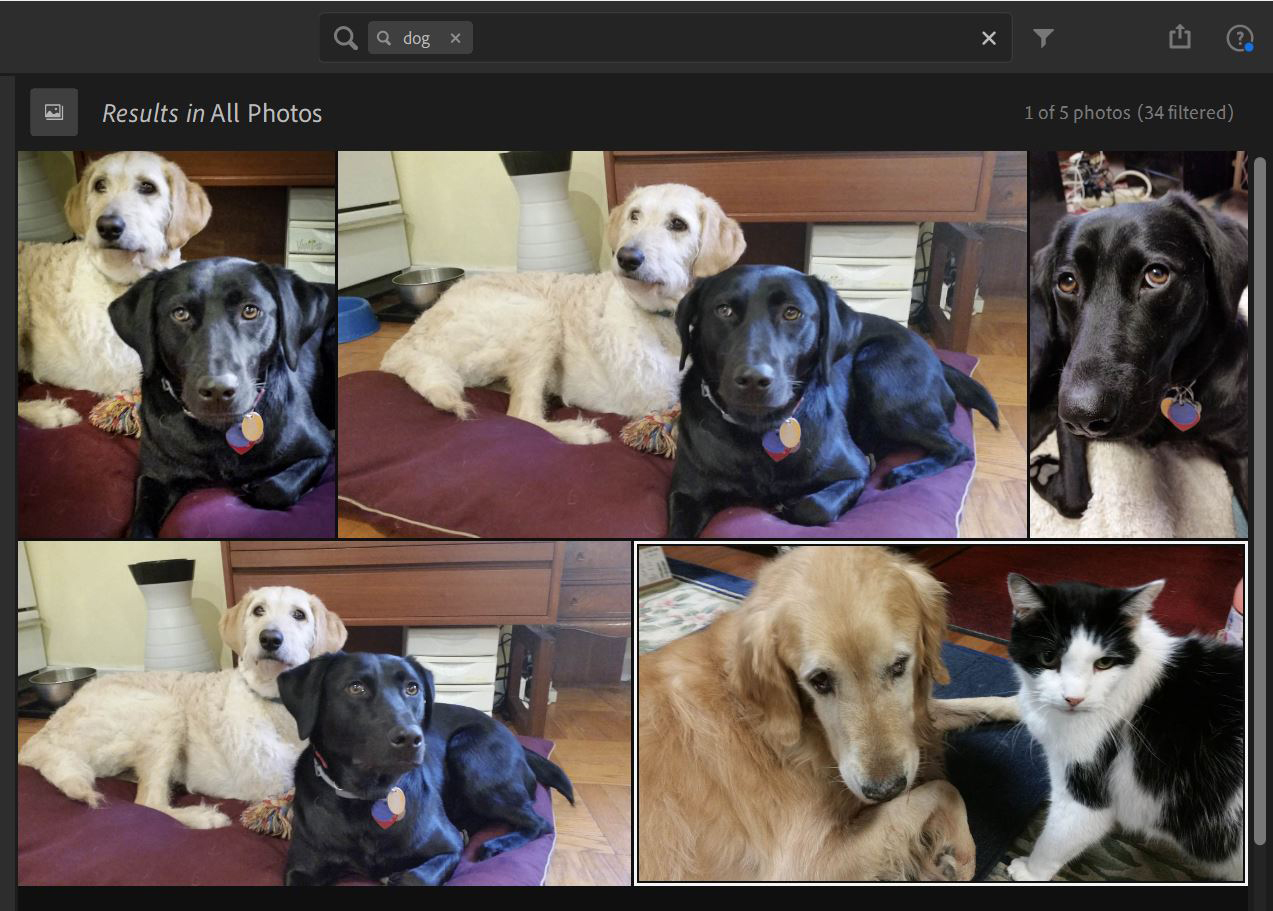
When your photos are uploaded, Adobe Sensei uses artificial intelligence to automatically analyze the images and tag them with advisable keywords, which saves a lot of time. True, the tags are generic words such as bridge, sailboat or canis familiaris. But when I tested it by searching for "dog," Lightroom quickly displayed all my uploaded domestic dog pictures. What's more, unlike other autotagging features I've tested, it didn't confuse uploaded pictures of alpacas or cats with those of dogs. It's also very easy to manually add more specific or personal tags, such as the dog's names or to identify an issue.
Adobe Lightroom: Mobile app
The typical mobile Lightroom workflow (iOS and Android) starts with taking photographs on a camera phone or tablet, or with a camera that syncs with your mobile device. In improver, your entire cloud-based library of photos — regardless of what device you lot used to create them — is available to you through the mobile app.

Adobe attempts to maintain a parity of features, tools and functions between the mobile app and the computer-based application, though i may lag backside the other in development. Still, each has its advantages. Given a phone's pocket-sized screen, I don't recommend the mobile app for edits that would impact fine details, such as sharpening or adjusting highlights. But it's swell for quick edits and global corrections, plus sharing your pictures via e-mail, text message or to your social networks.
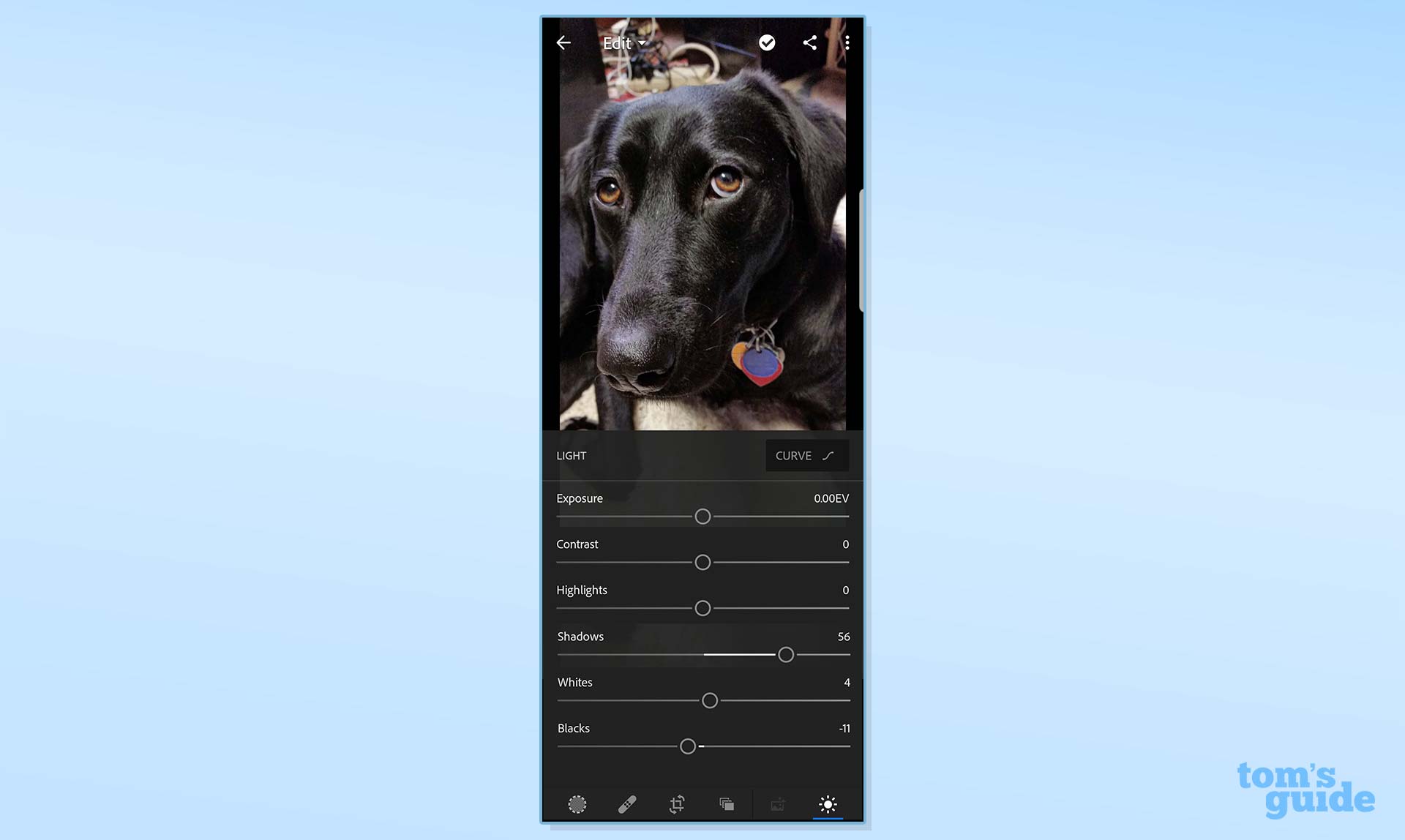
Every photo processed using the mobile version of Lightroom is automatically synced from the app to the cloud.
Adobe Lightroom: Guided tutorials
Lightroom may be initially intimidating to the uninitiated. But it has great learning tools integrated into the interface that arrive across the expected tool tips that pop up when yous hover over the proper noun of a control.
The libraries of dynamic guided tutorials, presets and interactive tutorials continue to abound, making it much easier to principal and be creative with Lightroom.
In the Learn section of the interface, y'all use Guided Tutorials to work on supplied pictures to reach the effect or edit beingness illustrated. As you're guided through making adjustments to sliders and other controls, the tutorial provides advice about why y'all might want to do this edit or that, and/or how the tool works.
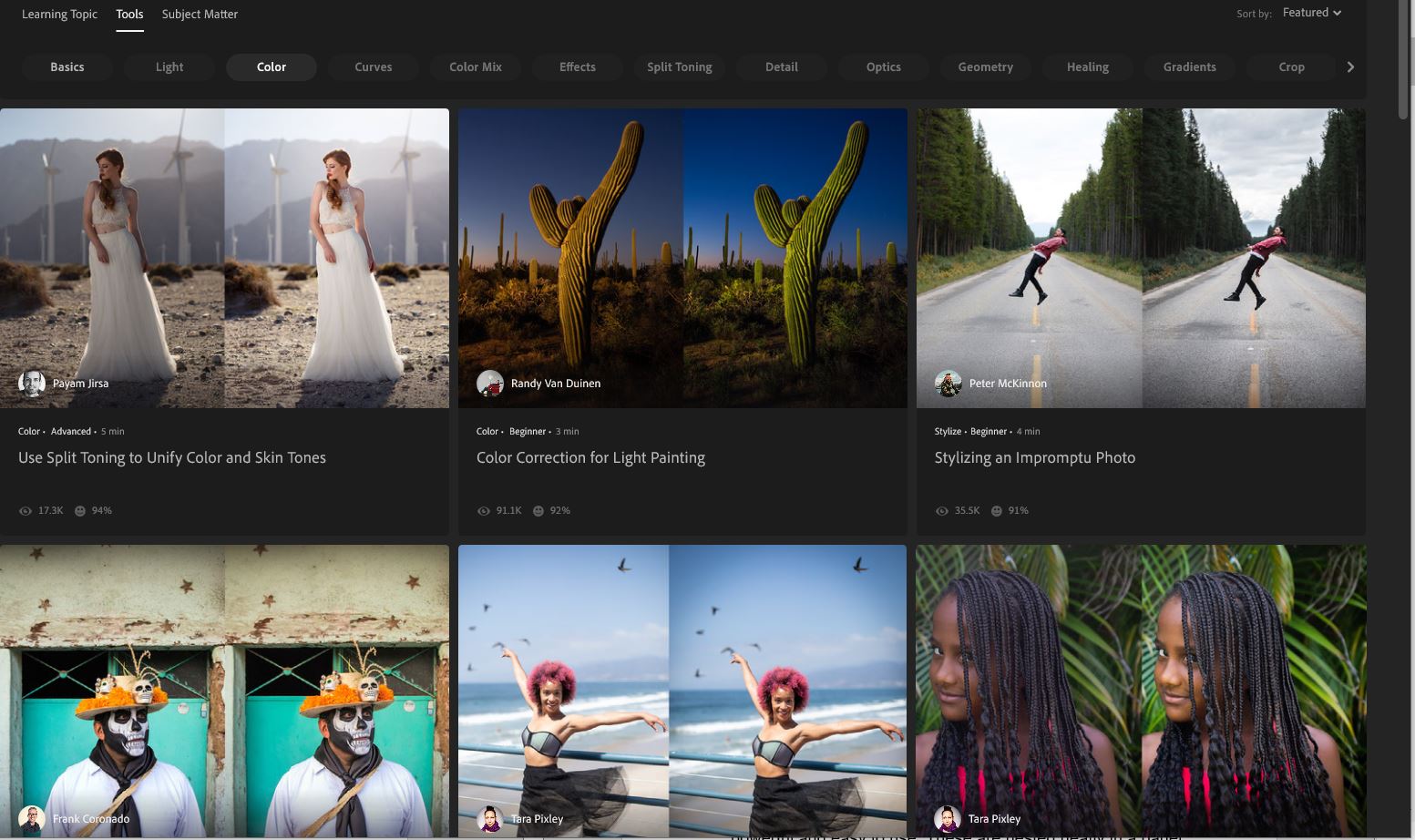
Another rather useful learning tool that'south been expanded are artistic styles (called Presets, in the Edit module), such as Warm Shadows, Soft Mist or B&W Loftier Contrast. Presets not only use filters that change the look of your flick but also automatically accommodate the various editing sliders accordingly. That, in turn, helps you figure out what each of the editing tools actually does. As you use the tools' sliders to arrange the filters, you tin can create and relieve new Presets.
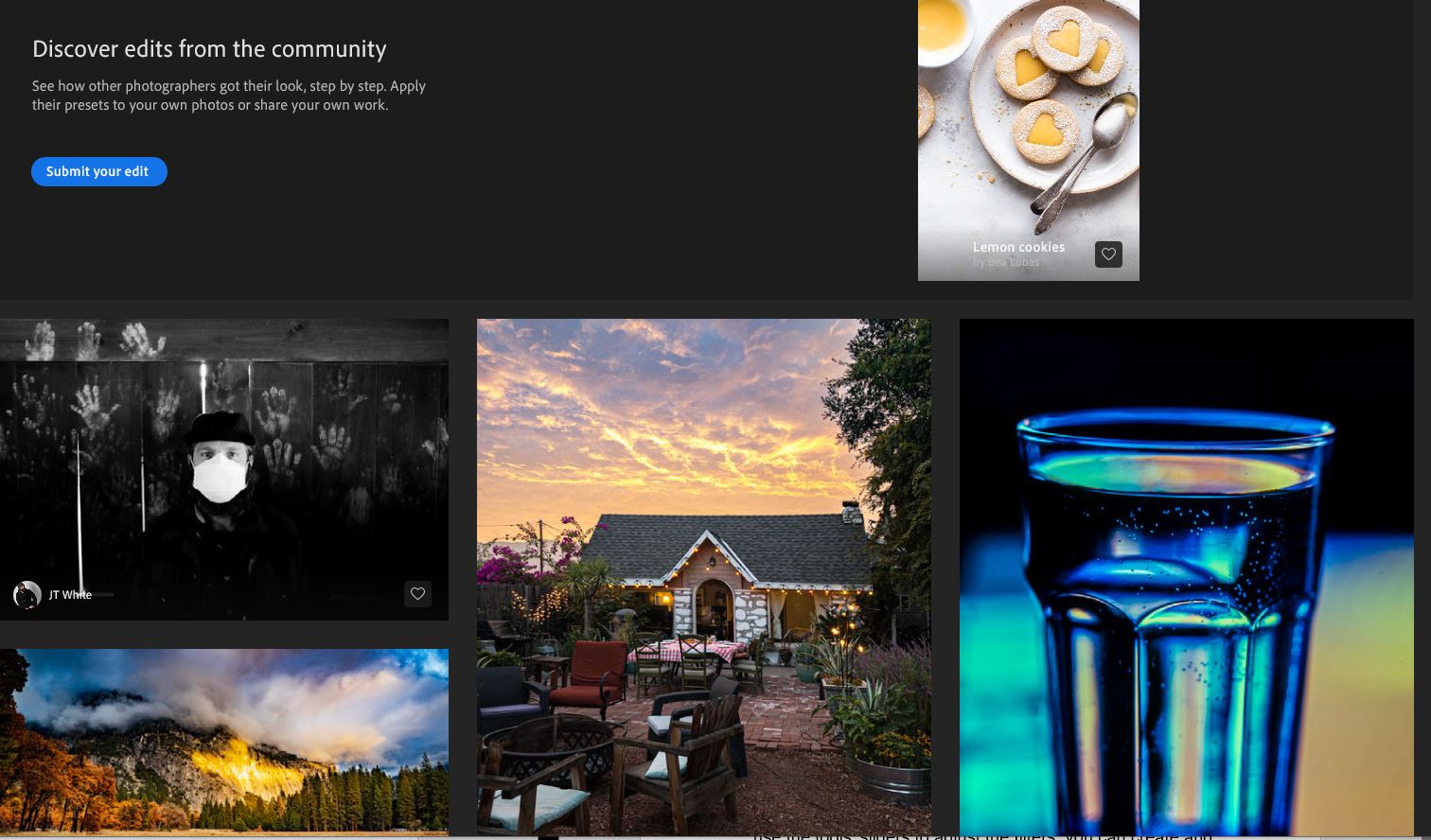
Taking presets farther, Interactive Edits (in the Discover section) are footstep-past-footstep animations that allow you to follow forth with professional artists and photographers, and so y'all tin can see how they created an image. In addition, you tin can apply their series of edits from the sample image as a preset onto your ain photos. While the basic library of Interactive Edits contain works by known influencers and artists, you can now contribute your own images to the Interactive Edits library.
Adobe Lightroom review: Verdict
For those who need to edit their photos no matter where they are or what device they're using, at that place's no amend option than Adobe Lightroom. With rich and powerful technology that includes some of the best photograph editing tools anywhere, Lightroom lets you work on all your full-resolution images on all your devices, helps yous get a amend photographer with keen learning tools, and produces pinnacle-quality concluding images.
If you're planning to do more creative or fine detail edits such equally creating layered fusions of various images and other elements, using type in your image, or otherwise making very individualized designs or works of fine art, Adobe Photoshop or Photoshop Elements will be better suited to your needs. Just If you are primarily interested in sorting and organizing your photos, doing quick corrections to exposure, colour and composition, and having access to your entire library from any of your devices, Lightroom is a winning combination of accessibility, creativity and quality.

Source: https://www.tomsguide.com/reviews/adobe-lightroom
Posted by: rileydiness.blogspot.com
0 Response to "Adobe Lightroom review"
Post a Comment